
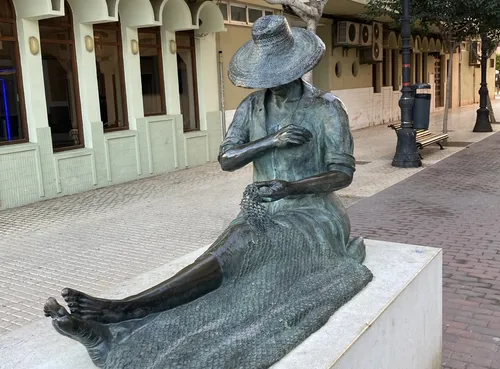
Castellón may not be a popular tourist destination, but after two months here, we definitely came to like it.
We lived in the nearby seaside town of Benicàssim. In winter, coastal Spain becomes nearly empty — mid-rise apartment buildings might have just two or three lit windows. So Castellón became the main city for us to go out, see people, shop, and take part in celebrations and workshops.
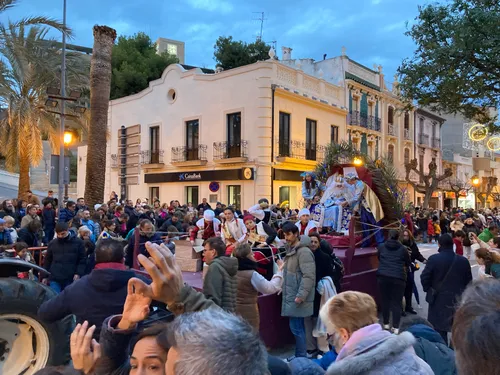 Parade for the Three Kings holiday
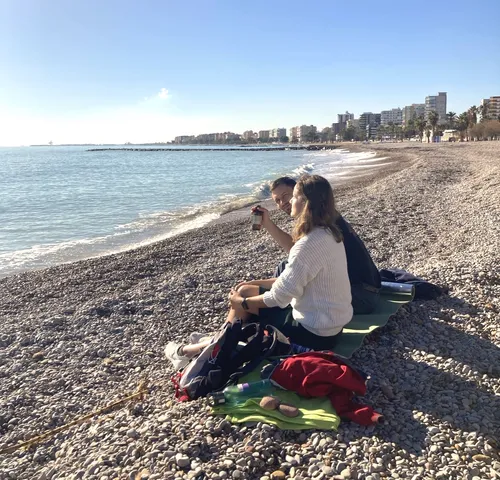
And yet, Benicàssim shouldn’t be seen as something ghostly or depressing. Together with Grau, these are the closest beaches to Castellón. In summer, tourists fill the entire five-kilometer promenade, and in winter the place is left to the locals and travelers like us. And honestly, what could be nicer than warming up on a sunny beach on a cold winter day?
The full name of the city — Castellón de la Plana
The full name translates as "little castle on the plain". Why "on the plain"? Because originally the town was located on the hill of La Magdalena. It was moved down to the plain in 1251 year to be closer to water and farmland.
The relocation was such an important event that till nowadays, it is celebrated as La Romería de les Canyes. On this day, pilgrims take reed walking sticks and travel on foot from the city to the hill of Magdalena, to a small chapel called Ermitori de la Magdalena. The date depends on Easter, but it always falls around March.
On the hill, besides the chapel, you can still see the ruins of the original Castellón — the one which is not "on the plain". It was a 9th–10th century Muslim fortress with walls and towers.
The newly established city on the plain was built without fortifications, since the relocation took place during the Christian period, when there was no one left to defend against.
The main square — Plaça Major
Most of the major landmarks sit on the main square.
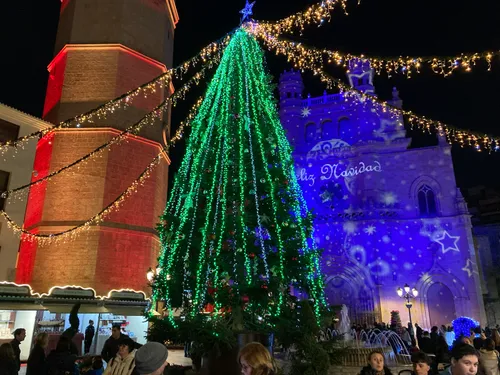 Christmas tree on the main square
Different events, celebrations, and children’s workshops often take place here.
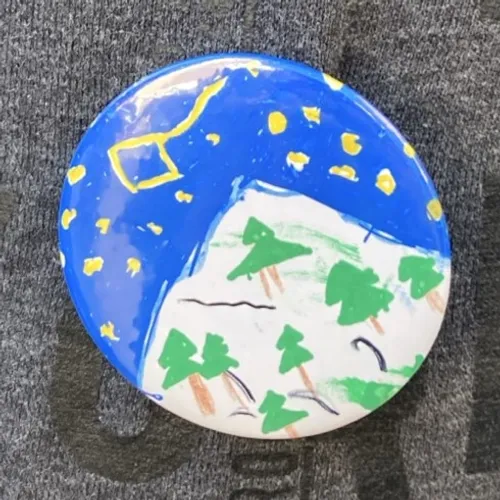 At one of the workshops, kids were making little pins.
El Fadrí translates as "the bachelor tower". It is a bell tower that stands separately from the cathedral — something quite rare for Spain. You can climb to the top and look over the city from above.
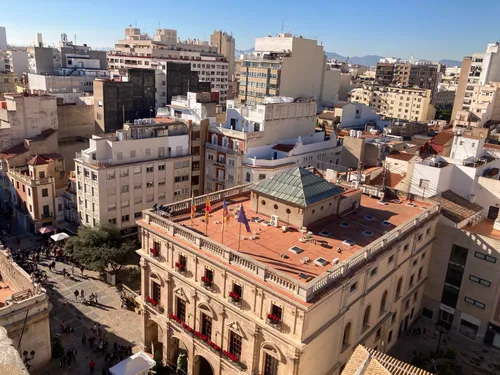 View of the city from El Fadrí
The Cathedral of Saint Mary
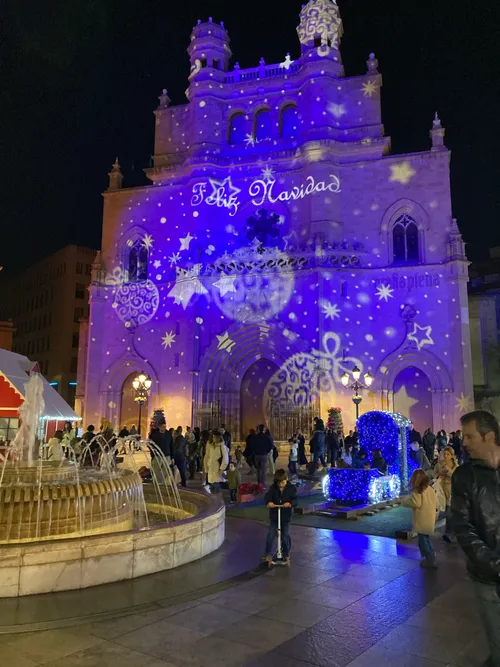 The cathedral had a beautiful New Year lighting setup
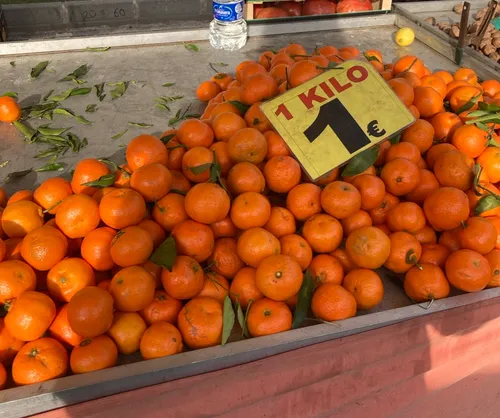
Mercat Central de Castelló, the central market, reminded me of the old-school covered markets from my childhood — rows of trays where people sell whatever they grow, catch, or just found cheaper somewhere else. Other tourists may find it unusual, though. You can buy fresh seafood and fruit here, although we personally preferred the little market in Benicàssim.
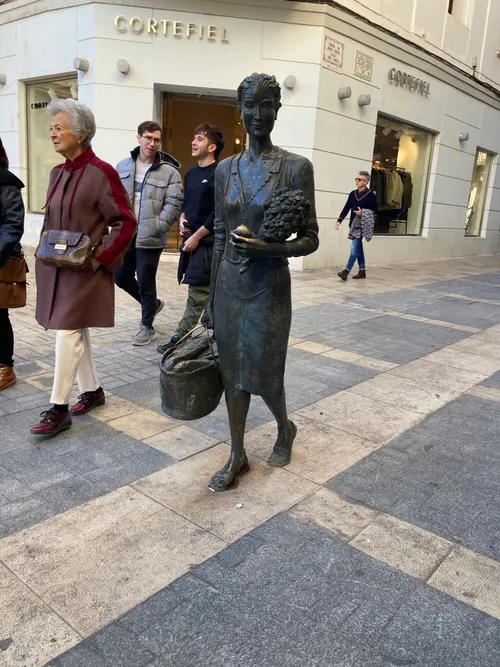
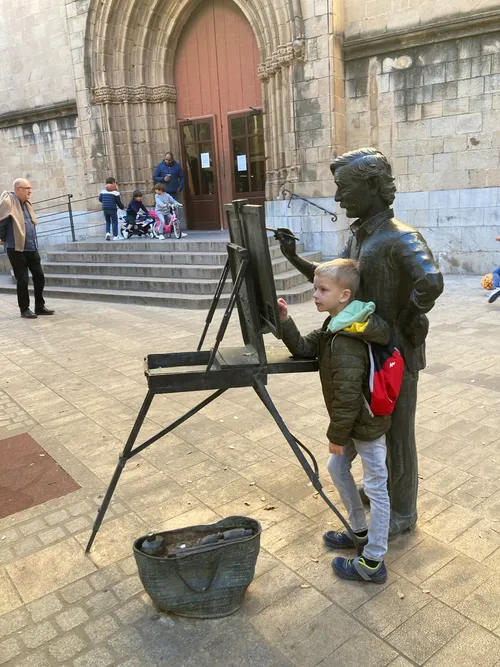
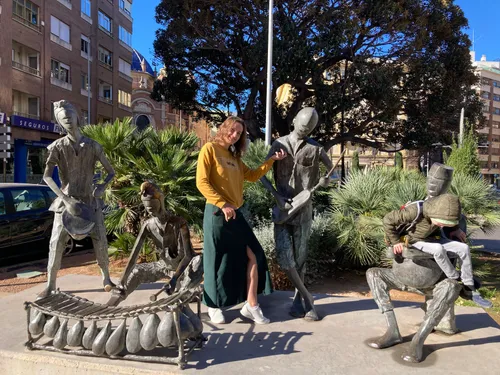
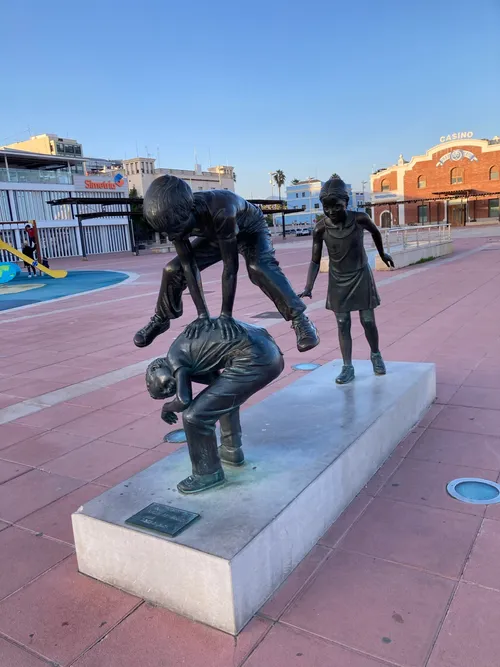
Sculptures
After visiting the main square, you can simply walk around the city. In Castellón and Grau you’ll come across bronze statues of ordinary people doing ordinary things — something like our Wrocław gnomes.
Museum of Fine Arts (Museo de Bellas Artes de Castellón)
This museum is not particularly popular among tourists, but it’s an important place for locals — perhaps that’s why admission is free.
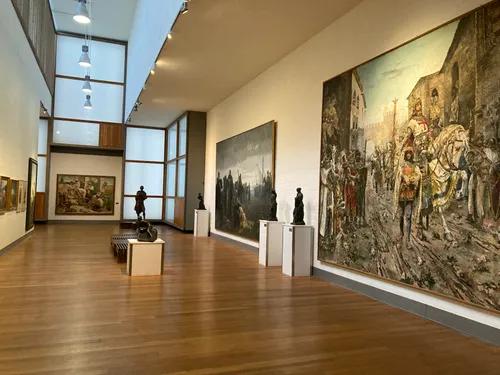
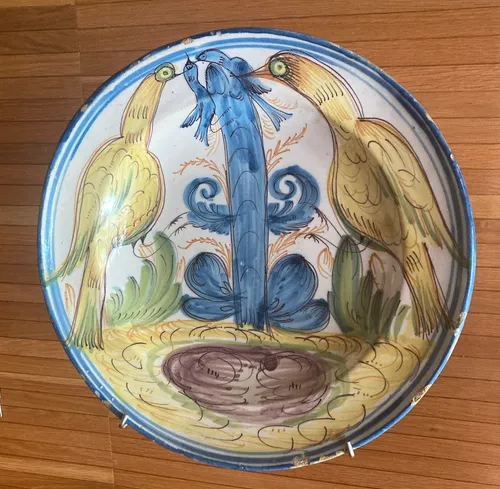
We enjoyed it, there we found interesting paintings and various ethnographic finds like plates and tiles with charming local decorations.
Benicàssim and Grau
Right next to Castellón are Grau and Benicàssim, joined by endless apartment blocks and a stone promenade. They feel like Castellón’s beach suburbs, since the city itself doesn’t actually touch the sea.
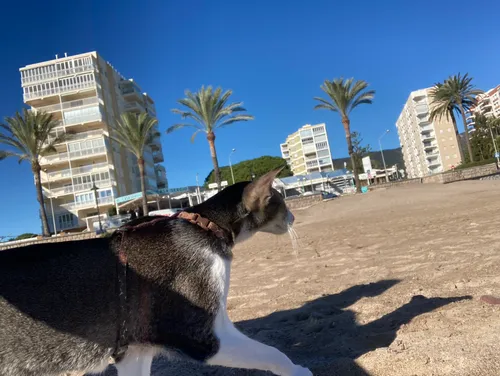 Our cat on the beach in Benicàssim
Like many towns on the southern Spanish coast, they have tall holiday apartments right by the beach (almost empty in winter), a small zone of private houses behind them, and then farmland or mountains.
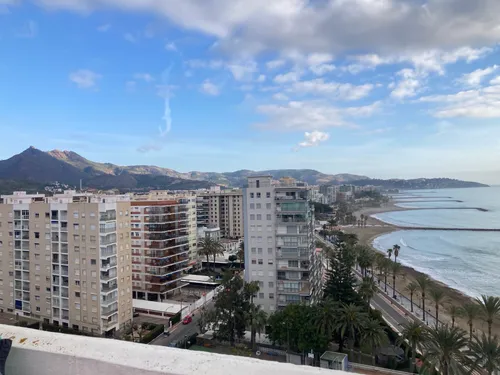 Benicàssim from the roof
If Benicàssim is for beaches, then Grau was the place we usually went for the park. There are children’s playgrounds and designated barbecue areas.
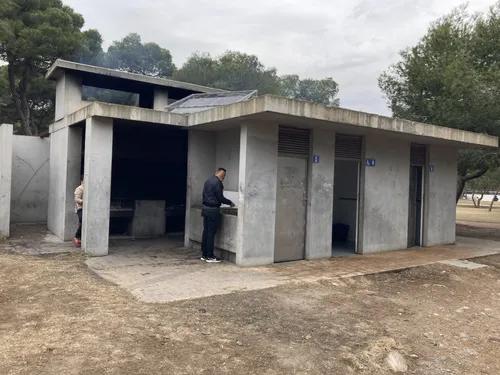 Barbecue spots
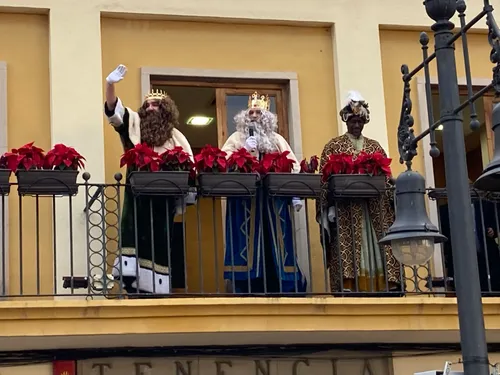 Because Grau has a port, the Three Kings of Castellón arrive here by boat before heading to the city center
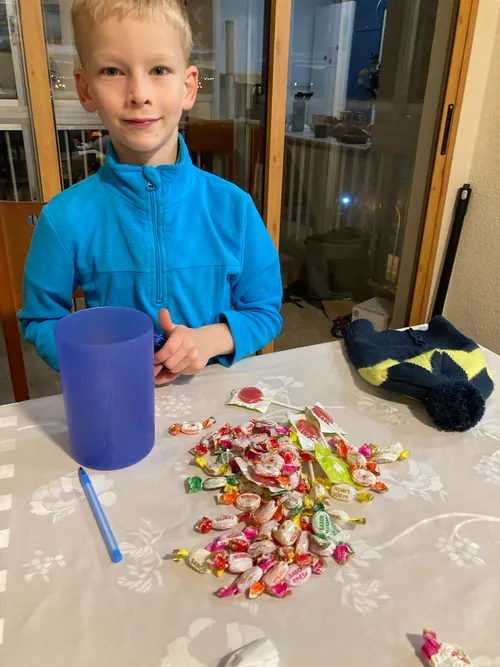 And yes — they throw candies!
PS
Castellón may not be well-known outside Spain, but it is popular among Spaniards themselves — it’s a more traditional, peaceful city. For example, the rhythm of life is very visible here: at certain hours, people who were just crowding the streets suddenly disappear and re-appear sitting at café tables with a glass of beer.
There was the first time we experienced la comida — the long, unhurried Spanish lunch served in several courses, with generous pauses between them, just as tradition dictates.
We’d love to hear your impressions of the city — how does it feel on short visits and especially during the summer season?
